

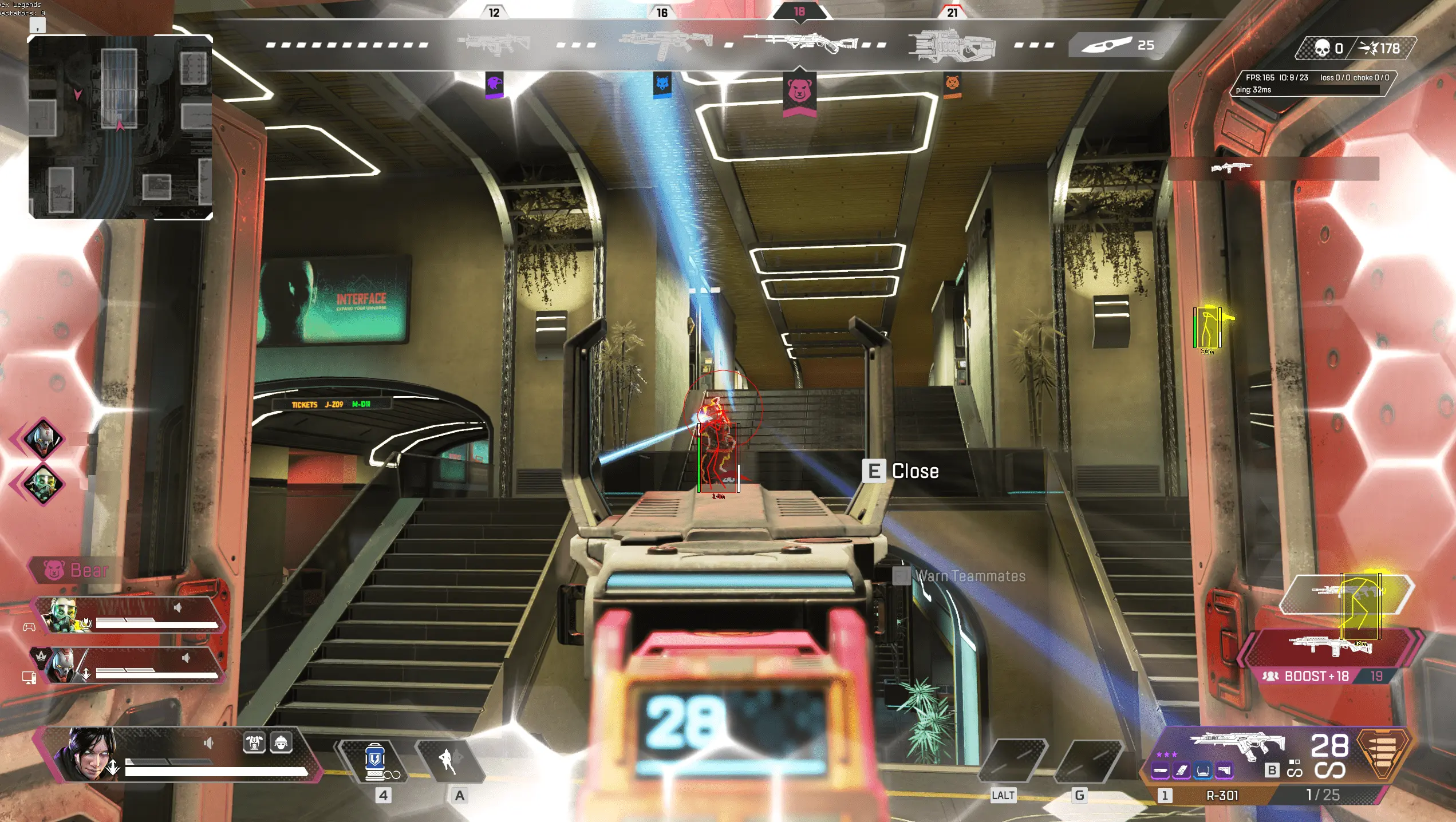
Competitive gameplay often demands fast decisions and steady control. Small mistakes can lead to immediate losses. Many players look for ways to reduce these errors and improve consistency during intense matches.
The basic idea behind advanced hacks is to simplify actions and improve accuracy. These systems adjust how players aim, move, and react. Tools like Apex Hack are often explored to manage difficult situations where manual control becomes unreliable.
Most users search for better performance under pressure. They want stable outcomes instead of unpredictable results. Without a clear approach, using such systems creates confusion. Random usage leads to inconsistent performance and poor decision-making.
Structured control creates predictable outcomes
Instinct alone is not reliable in competitive environments. A structured method ensures actions are repeatable. It allows players to manage pressure with controlled responses.
Essential components to follow:
- Maintain steady input during movement
- Limit sudden adjustments
- Focus on consistent timing
- Avoid overusing assistance tools
- Track performance after each session

Accuracy enhancement method
This approach improves targeting precision. It reduces small errors during aiming.
In real gameplay, it helps maintain stable tracking. Players can focus more on positioning rather than constantly correcting aim.
A limitation appears when targets move unpredictably. Precision tools may struggle to adjust instantly.
Movement optimization approach
This method focuses on controlled player movement. It avoids unnecessary actions.
During matches, optimized movement reduces exposure. It also improves positioning in critical moments.
The challenge is reduced spontaneity. Players may find it harder to react creatively in dynamic situations.
Reaction support system
Reaction support helps align actions with the right timing. It reduces the delay between observation and response.
In real conditions, this improves survival during sudden encounters. Actions become more calculated and less rushed.
However, fixed timing may not match every scenario. Unexpected behavior from opponents can reduce effectiveness.
Controlled automation method
Some players use systems like Apex Hack to automate repeated tasks. This reduces manual effort during complex situations.
It works by handling simple decisions automatically. Players can focus on strategy instead of micro-actions.
The downside is dependency. Overuse may weaken natural decision-making ability.
Building long term consistency
Improvement requires testing and review. Small adjustments over time create better control. Repetition builds confidence and stability.
Consistency is more important than quick success. Players who track their performance improve faster. Structured behavior leads to reliable outcomes.
Frequently Asked Questions
- What is the main benefit of advanced hacks?They improve control and reduce errors during gameplay.
- Do these systems guarantee wins?No, results depend on how they are used.
- Can overuse cause problems?Yes, it can reduce natural skill development.
- Why do results vary between players?Different understanding and usage methods affect outcomes.
- Is structured use necessary?Yes, structured use ensures consistent performance.
Stable performance comes from controlled execution. Systems can assist, but they cannot replace discipline. Consistency, testing, and careful adjustment lead to better long-term results.