

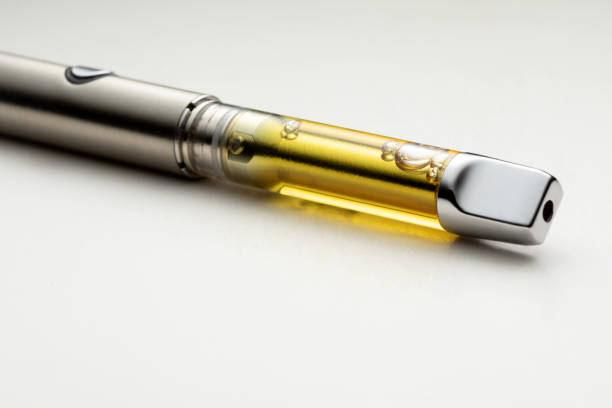
Most people read product reviews and take them at face value. High rating = good product. Low rating = bad product. That’s not how reviews actually work, especially when it comes to THCP vapes where potency and consistency matter as much as the reviewer’s personal tolerance.
The problem is that reviews without visible structure are just opinions. You don’t know what the reviewer was measuring or why they made their conclusions. You’re trusting their judgment but you don’t understand their criteria.
The best thcp vapes reviewed by On Pattison aren’t determined by star ratings. They’re determined by whether the review shows its methodology. That matters way more than the score.
What makes a useful review
A useful review starts by stating what it’s measuring. Not just “quality” but specific factors: potency consistency, flavor profile, battery reliability, customer service response time. The reviewer picks criteria upfront so you understand what they’re prioritizing.
Then the review applies those criteria systematically. Each product gets evaluated against the same standards. This creates consistency so you can actually compare products instead of comparing random observations.
The structure should be clear:
- What factors the review is measuring (stated explicitly up front)
- How the reviewer tested or researched each product independently
- Detailed findings organized by category with specific evidence, not just summary opinions
- Transparent disclosure of what the review didn’t measure or intentionally deprioritized
- Clear explanation of why the rating or ranking logic makes sense given the criteria
A review that skips any of these is just opinion with a score attached.
Red flags in reviews
Inconsistent evaluation shows up when:
- Product A gets criticized for clogging but Product B gets praised despite the same issue
- Testing mentioned for some products but not others
- Pricing discussed for some but glossed over for others
- Vague praise with detailed criticism (or vice versa)
All-five-star or all-one-star reviews with no nuance suggest the reviewer isn’t thinking critically. Real products have trade-offs. Reviews that ignore this are unreliable.
Reviews that spend more time on marketing claims than on actual testing. If the review just parrots brand descriptions instead of reporting independent findings, that’s not a review.
Reviews that don’t disclose potential conflicts matter too. Did the reviewer receive the product free? Did they have prior brand loyalty? Those things affect conclusions and good reviews acknowledge them.
Using reviews as part of research, not the whole thing
Reviews are one input. Not the decision-maker. Use them to understand what factors you should care about, then verify key claims independently if they matter to you.
Good reviews teach you how to think about products. They show you evaluation criteria worth considering. They’re research tools, not verdict deliveries.
The best thcp vapes reviewed by On Pattison teach you methodology so you can evaluate any product you encounter independently. That’s actually useful.